By: Jeff Hirz
Organic search can still be one of the strongest revenue channels for an online store, but only when the SEO work matches how the catalog actually sells. A store with hundreds or thousands of products has more moving parts than a normal lead-generation site: categories, product pages, variants, filters, reviews, pricing, availability, feeds, content, links, speed, and checkout behavior all influence whether shoppers can find and trust the right page.
That is why a useful SEO eCommerce plan has to be more than a checklist. Keyword research matters. Title tags matter. So do crawl controls, product data, internal links, Core Web Vitals, user-generated content, and revenue reporting. The strategy works when those pieces point in the same direction.
This guide preserves the practical spine of our original eCommerce SEO strategy article while updating it for 2026 search behavior, AI Overviews, product structured data, faceted navigation, and the platform realities that shape modern stores.

What eCommerce SEO Has To Do In 2026
SEO for eCommerce websites has one job: help qualified shoppers discover the right product or category page, understand the offer, and move closer to purchase. Rankings are part of that job, but rankings alone are not the outcome.
Google’s eCommerce SEO guidance focuses on product data, site structure, URL design, pagination, reviews, and structured data because each one helps Google find, parse, and present store content. That is the right frame. eCommerce SEO is not only about copy. It is about making the catalog understandable.
AI Overviews and AI Mode have not changed that foundation. Google’s AI features guidance says the same SEO fundamentals apply and that there are no special requirements or special schema needed for AI features. But AI search does raise the bar for clarity. Product and category pages need crawlable text, accurate data, visible answers, consistent entity signals, and structured information that matches what shoppers can see.
The strongest eCommerce SEO strategy connects six workstreams:
- Keyword and intent research across categories, products, brands, modifiers, and questions.
- Category and product page optimization that fits how shoppers search.
- Technical SEO that controls crawl paths, duplicate URLs, facets, pagination, and index quality.
- Product data and structured data that match prices, availability, reviews, shipping, returns, and variants.
- Content, internal links, and authority building that support commercial pages.
- CRO and analytics that show whether organic traffic becomes revenue.
If one of those workstreams is missing, the site can still rank in places. It just becomes harder to build durable growth.
Improve Start With Keyword Research And eCommerce SEO Intent
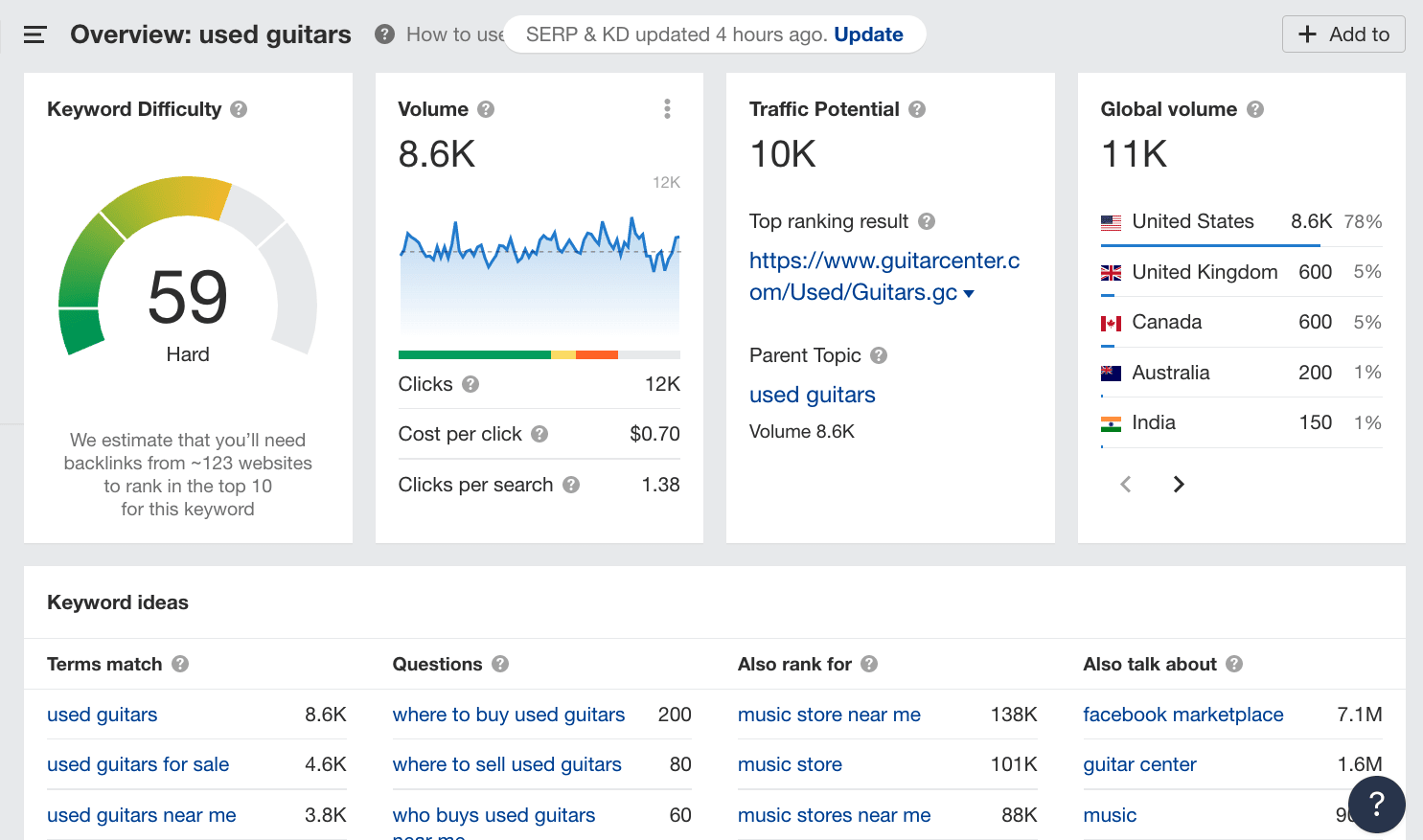
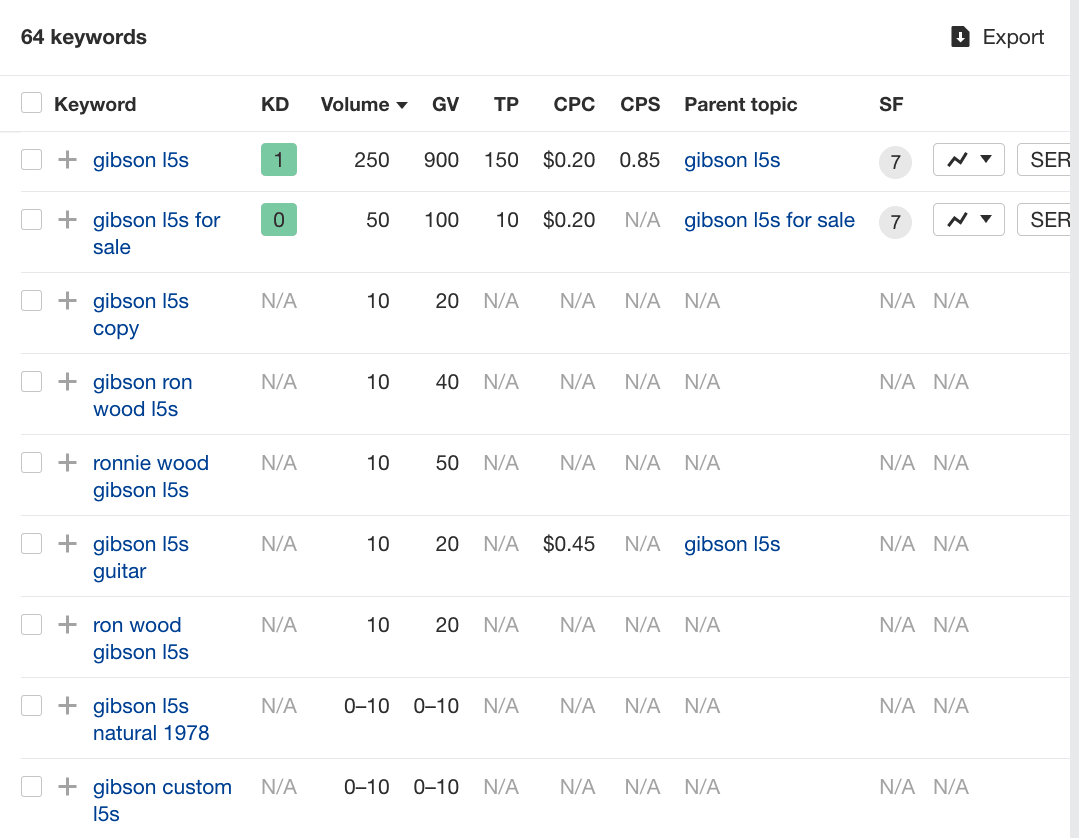
A keyword is simply a search query. For an eCommerce site, that query might be broad, like guitars. It might be commercial, like guitars for sale. It might be specific enough to map to a product page, like used 1970s Gibson guitar for sale.
The old article used that guitar example because it still works. Different queries deserve different page types. Nike basketball shoes usually belongs on a category or collection page. Nike Air Max 90 men's size 11 is closer to a product or filtered collection experience. A SKU, model number, size, material, brand, fitment, or replacement-part query often signals strong purchase intent.
The first goal is to understand how people search before deciding which page should rank. For SEO for an eCommerce website, look at:
- Broad category terms, such as
running shoesorindustrial fasteners. - Subcategory and modifier terms, such as
trail running shoes for women. - Brand and product-line terms, such as
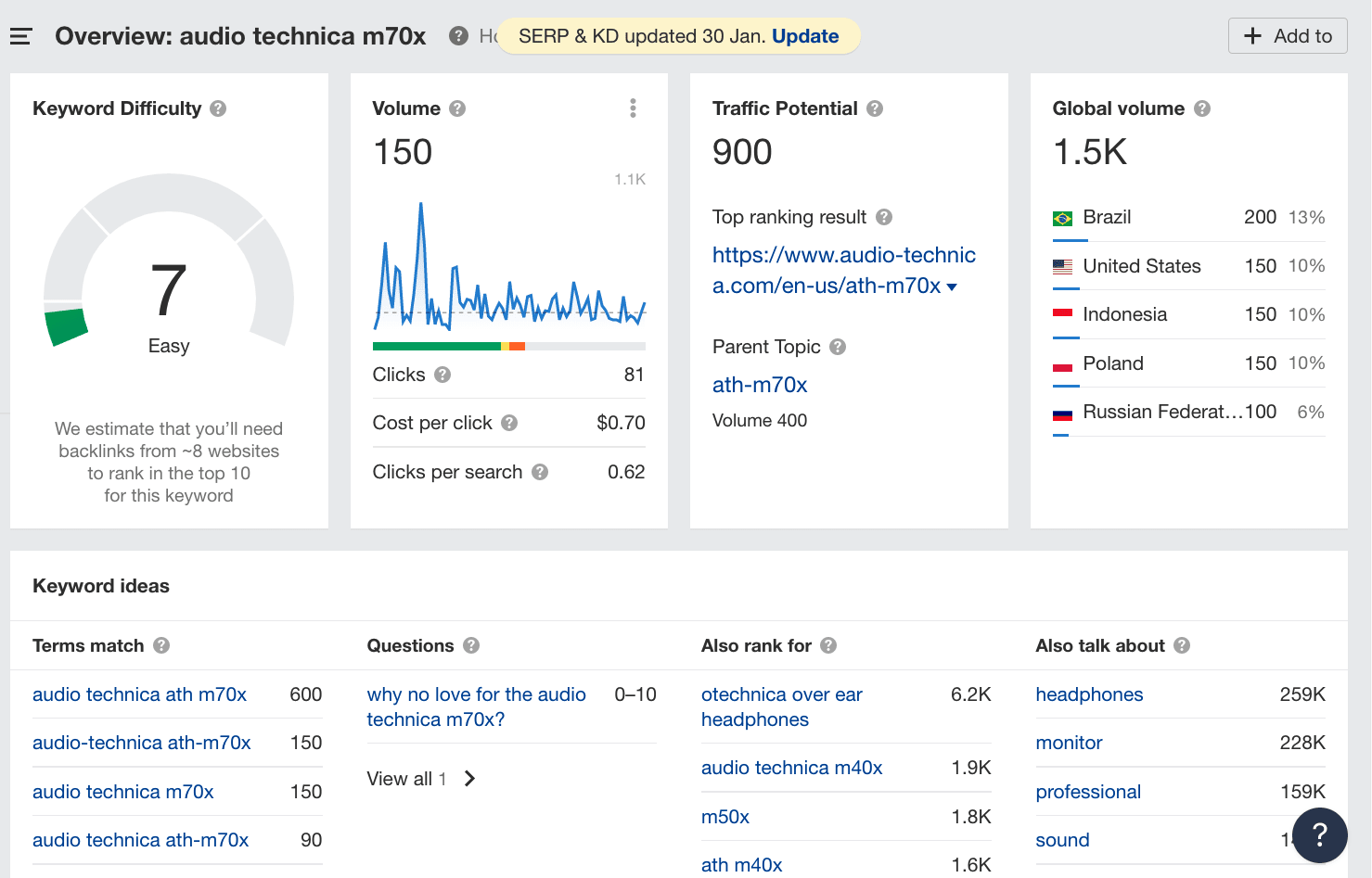
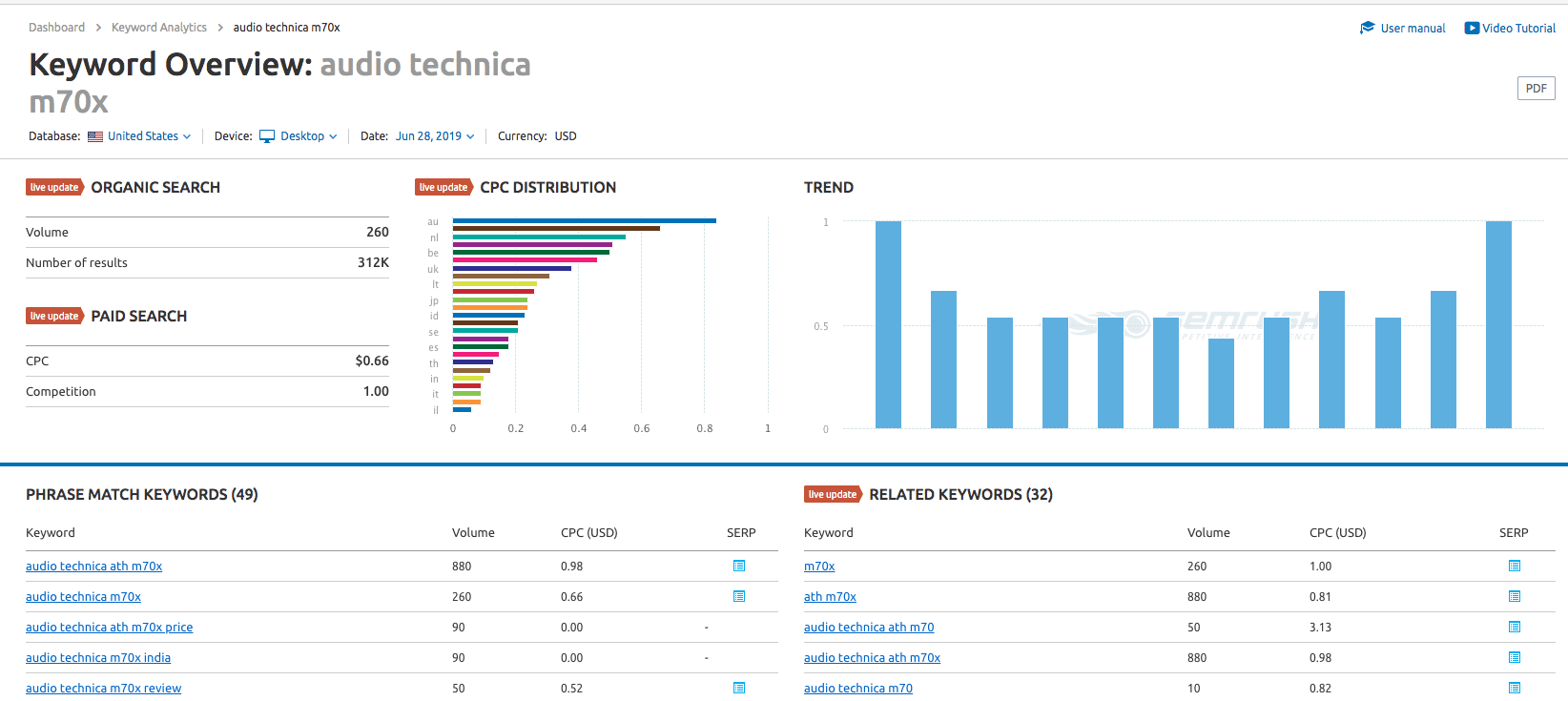
Audio-Technica M70x headphones. - SKU, part number, fitment, size, material, and compatibility terms.
- Commercial qualifiers, such as
buy,for sale,near me,bulk,wholesale,replacement,best, andreviews. - Informational questions that can support a buying path, such as
how to choose running shoes.
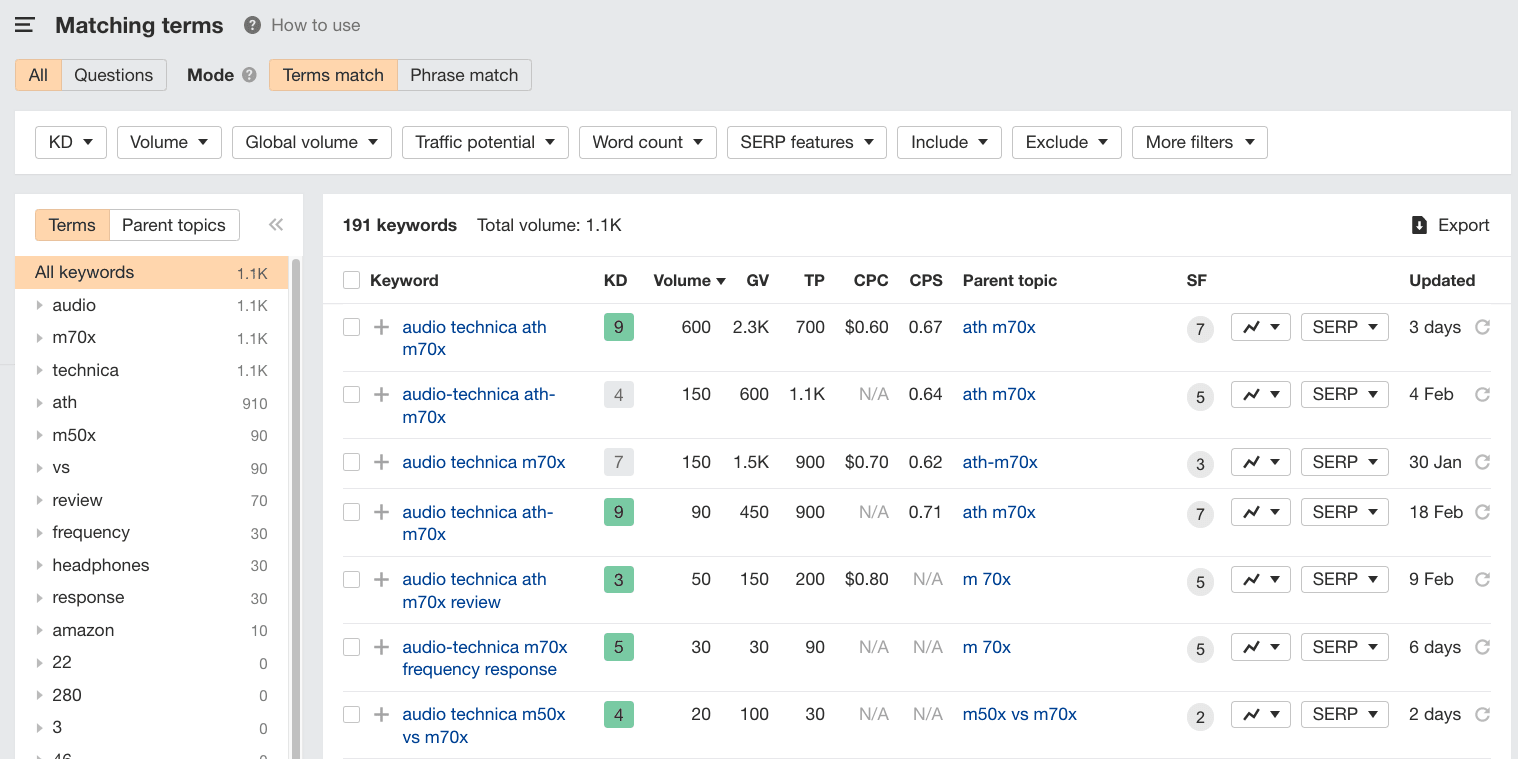
Search Console and GA4 show what your own site already earns. Keyword tools such as Ahrefs, Semrush, Moz, Google Keyword Planner, Google Trends, Amazon search suggestions, and marketplace data can expand that list. The tool matters less than the decision you make afterward: which query belongs to which URL, and what should that page help the shopper do?
Search intent is the filter. If Google shows category pages for a query, trying to force a single product page to rank usually wastes time. If Google shows buying guides, a category page may need supporting content before it can compete. If a query has eCommerce intent but your page answers it like a dictionary entry, the traffic may not convert.
That is why the best eCommerce SEO tips start with mapping before writing.
Map SEO Keywords to Category, Product, and Content Pages
Once the keyword universe is clear, assign target terms to page types. This keeps your own pages from competing with each other and helps your team decide where to invest first.
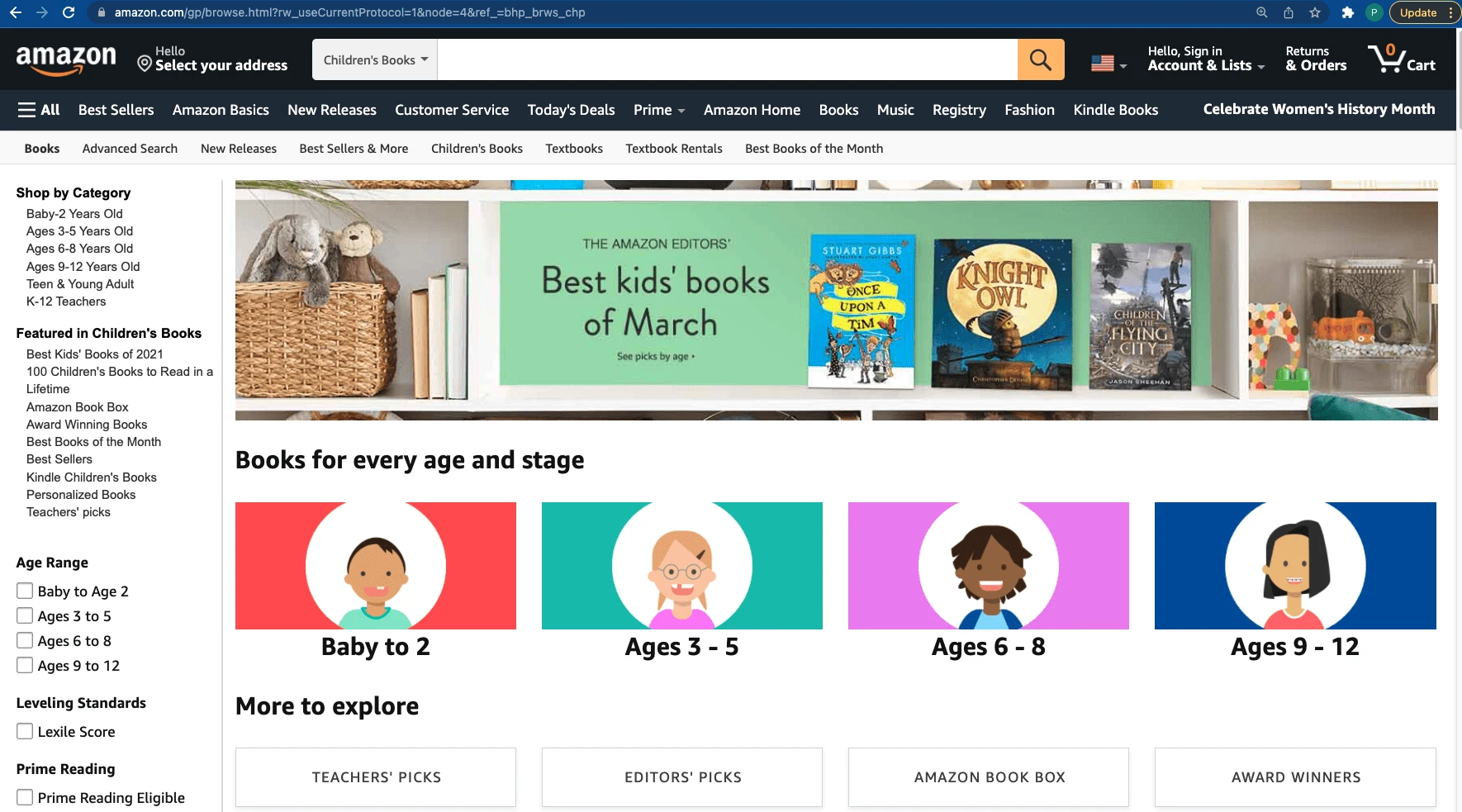
Category pages usually carry the largest commercial opportunity. They should target product-type, brand, use-case, material, audience, and modifier searches. A category page for red flannel hats can support a concise intro, useful filters, internal links to subcategories, FAQs, and enough copy to explain what the shopper is choosing without burying the product grid.
Product pages should target the exact product, SKU, model, variant, part number, and bottom-funnel modifiers. These pages need unique descriptions, specs, images, video, reviews, availability, shipping, return information, and related products. If the page repeats the manufacturer’s description, Google and shoppers have little reason to prefer it over every other reseller.
Content pages should support the catalog. Buying guides, comparisons, how-to articles, fitment guides, care guides, size guides, and trend resources can rank for long-tail questions and push authority toward the product and category pages that make money. Content marketing works best when the editorial calendar is tied to merchandising, inventory, and search demand.
The practical rule is simple: every important query needs a home, and every important page needs a clear job.
Build Category And Product Pages That Deserve To Rank
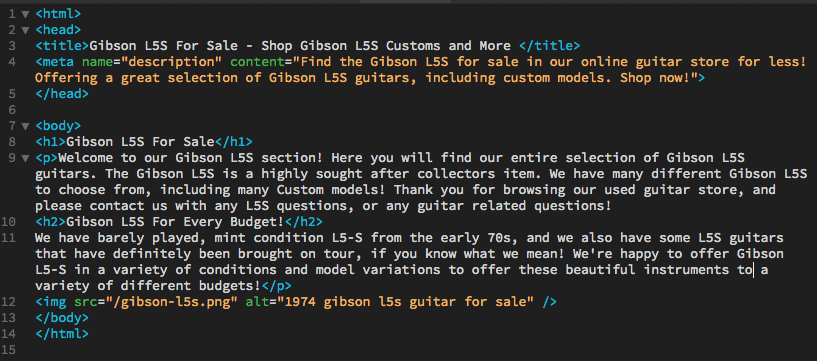
On-page optimization still matters, but eCommerce on-page SEO has to support the buying path. Title tags, meta descriptions, headings, product copy, image alt text, and internal links should make the page easier to understand and easier to use.
For category pages, optimize:
- Title tags and H1s around the main category demand.
- Intro copy that clarifies the category without pushing products too far down.
- Subcategory links that match how shoppers narrow choices.
- Filter labels that use familiar language.
- Product-grid sorting that helps users compare.
- FAQ or guide copy for sizing, compatibility, materials, use cases, or buying criteria.
- Internal links from buying guides, navigation, breadcrumbs, related categories, and blog content.
For product pages, optimize:
- Unique product descriptions that explain use, fit, benefits, specs, and differentiators.
- Product titles that include the model, brand, product type, and critical attributes.
- Image alt text that describes the product clearly.
- Specifications, dimensions, materials, compatibility, and variant data.
- Reviews and Q&A that answer real purchase objections.
- Related products, accessories, bundles, and replacement options.
- Product structured data that matches visible page content.
This is where many SEO for eCommerce site programs stall. The team writes titles and meta descriptions, but leaves manufacturer copy, missing specs, weak internal links, duplicate variants, and thin category pages untouched. Search engines can see that weakness. So can shoppers.
Use eCommerce SEO Best Content Practices
The old version of this article made a useful point: long-tail content can support product and category pages. That is still true. The difference in 2026 is that content has to be more tightly connected to the catalog.
Good eCommerce content answers pre-purchase questions. It helps shoppers compare options, understand fit, avoid mistakes, and choose with more confidence. A running shoe store might publish guides on trail surfaces, shoe rotation, injury prevention, and sizing. A B2B parts distributor might publish fitment guides, standards explainers, interchange resources, and maintenance checklists.
Useful content formats include:
- Buying guides.
- Comparison articles.
- Product care guides.
- Size and fit guides.
- Compatibility and fitment resources.
- Seasonal merchandising guides.
- Gift guides.
- Installation or how-to content.
- Glossaries for technical categories.
- Data studies or tools that can earn links.
Each content piece should have a routing plan. Link to the relevant category, product, or collection page. Link back from categories when the guide helps the shopper decide. Use descriptive anchors. Keep the path natural. eCommerce internal linking is not just an SEO tactic. It is how you move shoppers and authority toward revenue pages.
Make Navigation And Internal Links Work For Shoppers And Crawlers
Navigation is a conversion issue and an SEO issue. If shoppers cannot find products quickly, they leave. If Google cannot crawl the important paths cleanly, your strongest pages may not get discovered or understood.
Start with the main hierarchy: homepage, departments, categories, subcategories, product pages, and supporting content. Breadcrumbs should reinforce that hierarchy. HTML links should connect the important pages without relying only on JavaScript interactions. XML sitemaps should stay current for canonical pages.
Then look at internal link equity. The pages that create revenue should not be buried five clicks deep while low-value filters get thousands of crawlable URLs. Link from navigation, category copy, buying guides, related products, blog content, comparison pages, and footer or hub pages where it helps the shopper.
This is also where site search can help. Internal search logs often reveal language customers use that your navigation does not. If shoppers keep searching for a size, compatibility term, brand, replacement part, or use case, that may point to a better category, filter, content page, or product copy update.
Give Google Clean Product Data
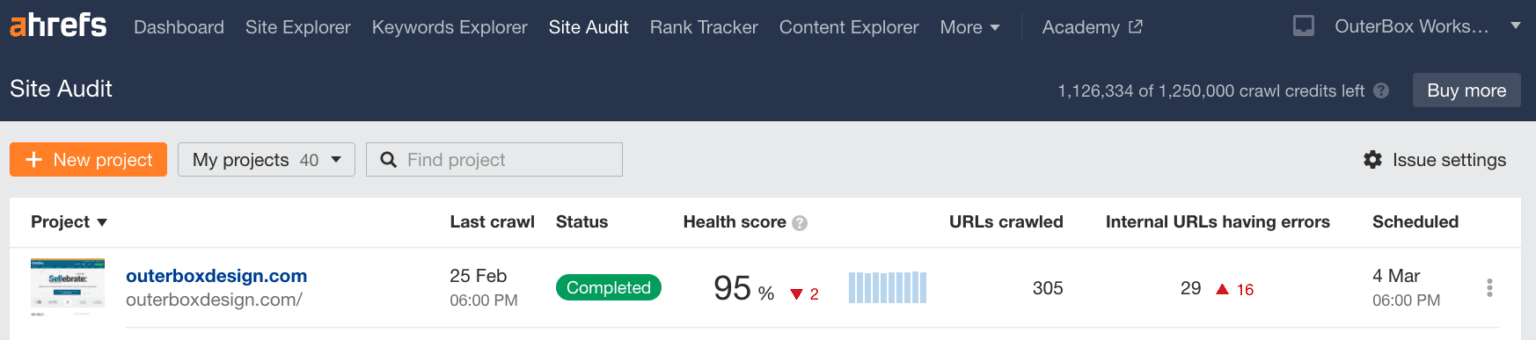
Structured data helps search engines understand what is on the page. For eCommerce sites, Product structured data is especially important because product results can show price, availability, ratings, shipping, returns, and other details.
Google’s Product structured data documentation distinguishes product snippets from merchant listings. For pages where customers can buy products from you, merchant listing markup can support richer product information such as availability, shipping details, return policy, apparel sizing, and variants. Google also says combining structured data with Merchant Center feed data can help it understand and verify product information.
That means product data has to be operationally accurate. If the visible page says one price and the feed says another, the problem is bigger than SEO. If availability is stale, reviews are marked up incorrectly, or variant pages send mixed signals, you are asking Google and shoppers to trust inconsistent information.
Prioritize:
- Product name, image, brand, SKU, GTIN or MPN when available.
- Price, currency, sale price, and price-validity logic.
- Availability and backorder status.
- Aggregate ratings and review markup that follows policy.
- Shipping and return details.
- Variant relationships for size, color, material, and other options.
- Breadcrumb structured data.
- Merchant Center feed alignment.
Reviews and user-generated content help here, too. Good reviews add language buyers use in the real world. Product Q&A can answer objections that your base copy misses. But UGC needs governance: prevent spam, moderate claims, and make sure review markup reflects visible reviews.
eCommerce SEO Tips to Improve Control Crawl And Indexation On Large Stores
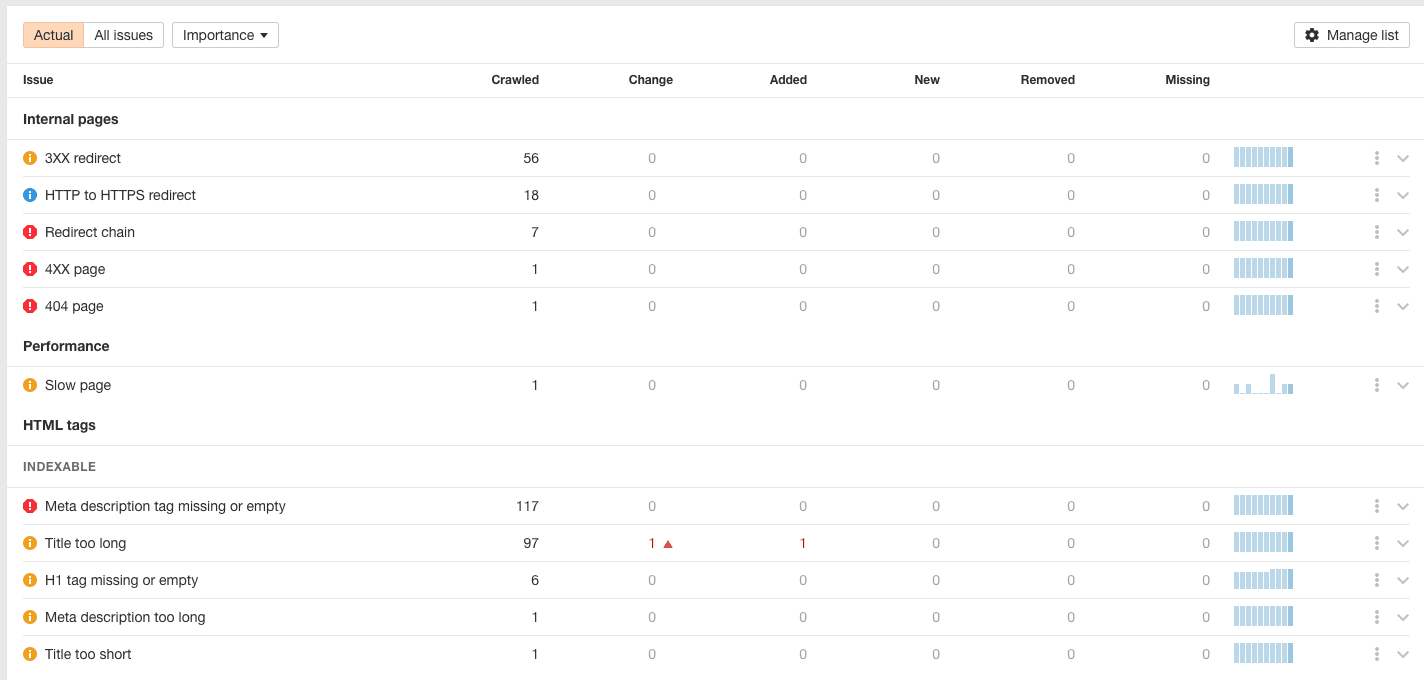
Technical SEO is where many eCommerce websites quietly lose organic revenue. A small store may have a few hundred important URLs. A large store can generate millions of crawlable combinations once filters, sorting, pagination, internal search, variants, and parameters are live.
Google’s crawl budget guidance is mainly for large or frequently updated sites, but the principles matter for any growing catalog. Manage URL inventory. Consolidate duplicates. Keep sitemaps current. Avoid long redirect chains. Return proper 404 or 410 status codes for permanently removed pages. Eliminate soft 404s.
Faceted navigation deserves special attention. Google’s faceted navigation guidance explains that filters can create large or infinite URL spaces, which can cause overcrawling and slower discovery of useful URLs. If filtered URLs do not need to be indexed, prevent crawling where appropriate. If some filtered pages should rank, make those choices intentionally.
Common control decisions include:
- Which filters deserve indexable landing pages.
- Which parameter combinations should be crawlable, canonicalized, blocked, or handled with fragments.
- Whether empty filter combinations return a real 404 instead of a soft 404.
- How pagination and infinite scroll expose crawlable product links.
- How internal search result pages are controlled.
- How variants consolidate or separate based on search demand.
- How discontinued and out-of-stock URLs are handled.
Be careful with noindex as a crawl-budget tool. Google still needs to crawl the page before seeing the directive. For large low-value URL sets, robots.txt, URL design, canonical consolidation, and internal-link controls may be more appropriate depending on the situation. This is where technical SEO and development decisions have to work together.
Account For Your eCommerce Platform
The same SEO recommendation can have a different implementation path depending on the platform. That is why SEO for eCommerce websites should account for CMS, theme, app stack, checkout model, feed setup, and developer workflow.
Shopify SEO often involves collection architecture, theme speed, app bloat, product variants, duplicate collection/product paths, faceted apps, and Shopify Plus workflow limits.
WooCommerce SEO often depends on WordPress theme quality, plugin load, product schema, taxonomy structure, database performance, hosting, and how product attributes create archive pages.
Magento SEO and Adobe Commerce work often centers on layered navigation, indexation rules, canonical handling, URL rewrites, category depth, performance, and developer-backed template changes.
BigCommerce SEO work often includes category structure, faceted URL behavior, product options, theme performance, checkout constraints, and feed accuracy.
Custom platforms can be excellent or painful. The deciding factor is whether SEO requirements are built into the architecture: clean URLs, crawlable navigation, editable metadata, schema, sitemap controls, redirect management, product data, performance, and release processes.
Connect SEO With CRO, Video, Mobile, And Speed
SEO earns the visit. Conversion rate optimization helps turn that visit into revenue. For eCommerce, the two should not be separated.
Look at category-grid behavior, product-page trust, review visibility, shipping and return clarity, add-to-cart friction, checkout steps, payment options, site search, product recommendations, and merchandising tests. A ranking improvement is more valuable when the page converts. A CRO test is more useful when it teaches the SEO team which objections or attributes matter.
Product video can help, especially when it is original and useful. Demonstrations, sizing explanations, installation guidance, comparison clips, and product walkthroughs can make a page more helpful. Just keep performance in mind. Lazy load embeds, protect the main product content, and avoid letting video scripts slow down the template.
Mobile remains central because many shopping journeys start or finish on a phone. Product images, filter controls, sticky add-to-cart buttons, reviews, accordions, and checkout flows need to work without making the page feel crowded.
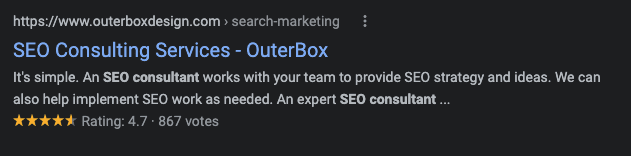
Speed is part of that experience. Google’s Core Web Vitals guidance recommends LCP within 2.5 seconds, INP under 200 milliseconds, and CLS under 0.1. For stores, measure the templates that matter: category, product, search, cart-adjacent, and content pages. The homepage score alone will not tell you whether shoppers are waiting on product images, reviews, personalization scripts, or third-party apps.
Handle Product Lifecycle Problems Before They Cost Rankings
The old article warned against simply deleting out-of-stock products. Keep that rule. Product lifecycle decisions affect rankings, links, user experience, and revenue.
If a product is temporarily out of stock, keep the page live, show the status clearly, preserve schema accuracy, and offer email alerts or related products. If a product is permanently discontinued but has traffic, links, or demand, decide whether to keep the page as a discontinued product resource, redirect to the closest replacement, or route to the most relevant category. If there is no useful replacement, a 404 or 410 may be cleaner than a misleading redirect.
For seasonal products, plan before demand returns. Update copy, availability, internal links, schema, and content before the season peaks. For variants, do not let every color or size become a thin orphan unless search demand justifies separate pages.
Lifecycle rules should be documented. Otherwise, merchandising, development, and SEO teams will solve the same problem differently every month.
Improve SEO by Earning Links With Assets That Fit The eCommerce Category
Links still help search engines evaluate authority, but eCommerce link earning works best when the asset fits the audience. Generic guest posts and low-quality directories are not a durable strategy.
Better link earning often comes from useful assets: data studies, calculators, fitment tools, size guides, industry resources, original photography, buying guides, trend reports, expert commentary, partnerships, and digital PR campaigns. For a store with a technical product line, a compatibility resource may earn better links than a generic blog post. For a lifestyle retailer, original imagery or trend data may travel further.
Broken link building and link reclamation still have a place. Find old 404s with links, redirect them to relevant pages, and recover value that already belongs to the site. If a competitor’s old resource has links and your team can build something better, that can be a useful campaign. But the page still has to deserve the link.
For stores that need help here, link building should be planned with content, PR, merchandising, and category priorities. Authority should support the pages that matter instead of floating around the site disconnected from revenue.
Measure eCommerce SEO By Revenue, Not Only Rankings
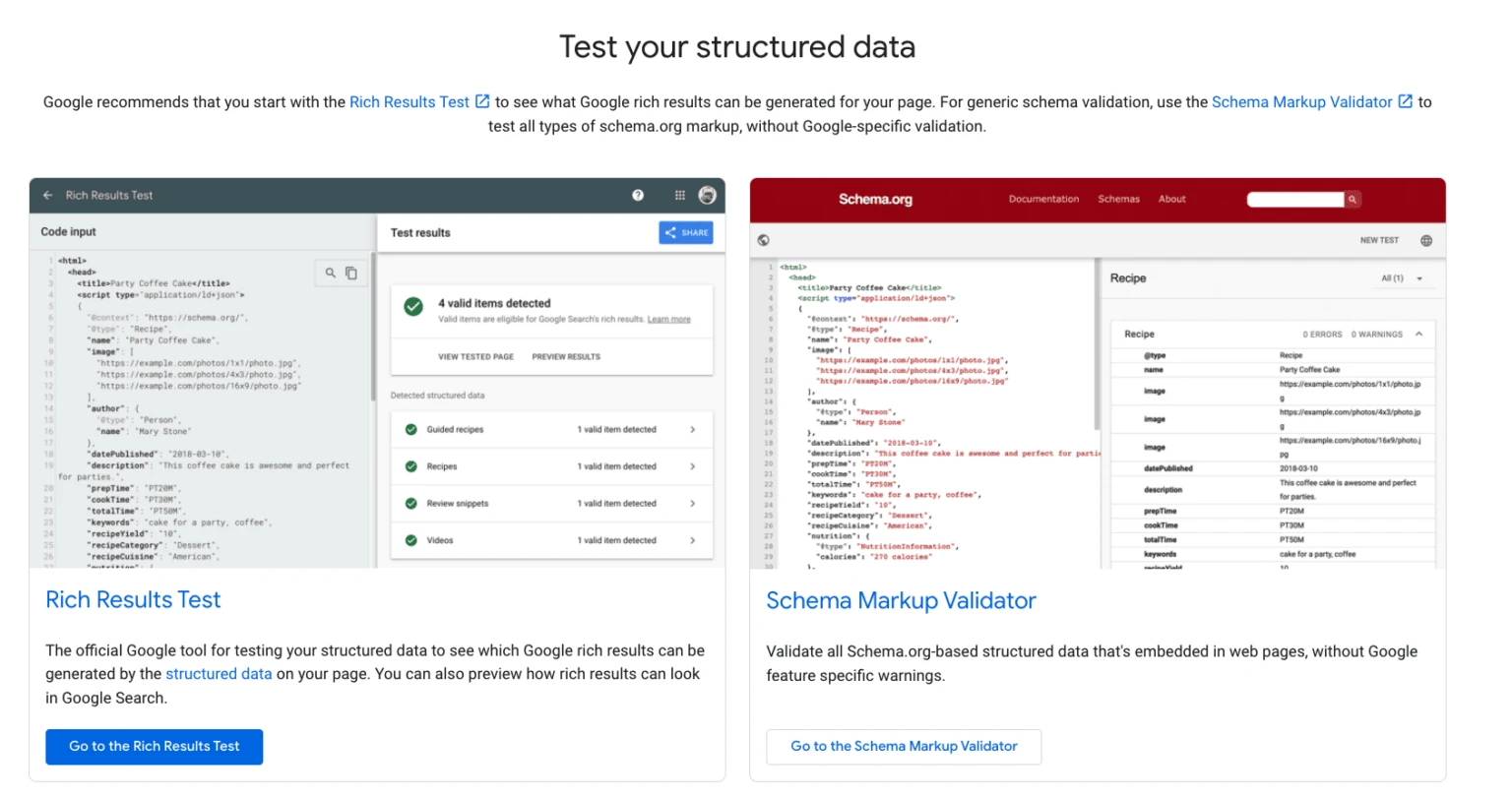
Rankings and traffic matter, but they are not enough. eCommerce SEO should be measured by the business outcomes it can influence.
Track:
- Organic revenue.
- Transactions.
- Average order value.
- Conversion rate by landing page type.
- Non-brand clicks and impressions.
- Rankings for priority categories, products, and content.
- Assisted conversions where available.
- Product and category pages gaining or losing traffic.
- Index coverage and crawl signals.
- Technical fixes shipped.
- Content, schema, and internal-link updates shipped.
GA4, Search Console, rank tracking, crawl data, and platform revenue reports each show a different part of the picture. The useful view combines them. If a category climbs from position 12 to position 5 but revenue does not move, look at intent, product mix, pricing, availability, SERP layout, and conversion friction. If revenue improves while rankings stay flat, look for long-tail growth, better snippets, higher conversion rate, or paid and organic interaction.
The goal is not a prettier dashboard. It is a clearer operating system for deciding what to fix next.
eCommerce SEO Strategy FAQs
What is an eCommerce SEO strategy?
An eCommerce SEO strategy is a plan for improving how an online store appears in organic search. It usually includes keyword mapping, category and product page optimization, technical SEO, structured data, content, internal links, link earning, CRO, and reporting tied to organic revenue.
How is SEO for eCommerce different from normal SEO?
SEO for eCommerce has to manage catalog complexity. Product variants, filters, categories, product descriptions, reviews, availability, pricing, Merchant Center data, and discontinued products all affect search performance. A normal service website usually has fewer templates, fewer duplicate URL risks, and fewer product-data dependencies.
Are category pages or product pages more important for eCommerce SEO?
Both matter, but category pages often target broader commercial demand while product pages target exact product, model, SKU, and variant searches. The right strategy maps keywords to the page type that best matches intent.
Do eCommerce sites need unique product descriptions?
Yes, for products that are meant to rank. Manufacturer descriptions, thin copy, missing specs, weak images, and poor internal links make a product page hard to distinguish from every other reseller. Large catalogs may use scalable templates and rules, but the content still has to be useful and accurate.
Does AI search change eCommerce SEO?
AI Overviews and AI Mode do not require a separate optimization trick. Google says the same SEO fundamentals apply. For eCommerce sites, that means crawlable pages, helpful text, accurate product data, structured data that matches visible content, strong internal links, good page experience, and clear answers that can support complex shopping questions.
How long does SEO for an eCommerce site take?
Some technical and on-page fixes can show early movement within a few months, especially when important pages are blocked, slow, duplicated, or poorly targeted. Larger gains usually compound as category work, product copy, content, internal links, schema, and authority building reinforce each other.
When should an online store hire an eCommerce SEO agency?
Consider outside help when the catalog has outgrown simple SEO tasks, organic revenue is flat, technical issues keep returning, platform changes need SEO oversight, or your team needs strategy plus implementation support. OuterBox builds eCommerce SEO services around catalog structure, technical SEO, content, CRO, authority, and revenue reporting.